
GAME OVER Conference: Practical Resources for Students, Educators and Parents

On 16 September 2026, Visaginas “Draugystės” Progymnasium hosted the online conference “Erasmus Experiences in Educational Institutions”, presenting GAME OVER resources alongside experiences from other Erasmus+ projects. Inga Puiša introduced GAME OVER, coordinated by the school with partners from Bulgaria, Spain and Greece. Her presentation addressed support for students experiencing problematic online gaming and outlined a […]
From Development to Practice: GameOver Tools Are Ready for Piloting

After months of research, collaboration and development, the GameOver project has reached an important milestone: the project platform and educational resources are now ready for piloting in all partner languages. Throughout the project, partners worked together to develop practical tools that support teachers, professionals and families in understanding and addressing problematic online gaming among young people. The GameOver resources include: 🎓 An […]
Game Over: Reaching the Final Stage at Centro San Viator

The Game Over project is now moving into its final stage, and at Centro San Viator we are experiencing these last steps with real enthusiasm. Over the past few weeks, we have started to share with our teaching staff the resources that are already available on the project website, including the Early Detection Instrument and […]
Beyond the Screen: Fun Alternatives for the Summer Months

The summer months are synonymous with free time and fun. For many teenagers, video games are a favorite way to spend their free time and have fun. Gaming offers massive worlds to explore, quick psychological wins, and an easy way to hang out with friends. However, when the rigid structure of the school year disappears, […]
Game Addiction During the Summer Holidays: What to Do and What Not to Do

Summer holidays are a time for rest, freedom and fun. For many children and teenagers, video games are part of that fun. Gaming can support creativity, problem-solving, social contact and relaxation. However, when gaming starts to replace sleep, outdoor activity, friendships, family time and everyday responsibilities, it can become a serious concern. During the school year, daily routines naturally limit screen time. […]
A practical toolkit for educators to support healthier gaming habits

You may notice it before anyone names it. A student comes to class tired again. Other struggles to focus. Someone who used to take part in activities now spends most breaks talking about games or watching gaming videos. At first, it may look like a normal teenage phase. And often, it is. Gaming is part of young […]
Moving forward together in preventing problematic video game use
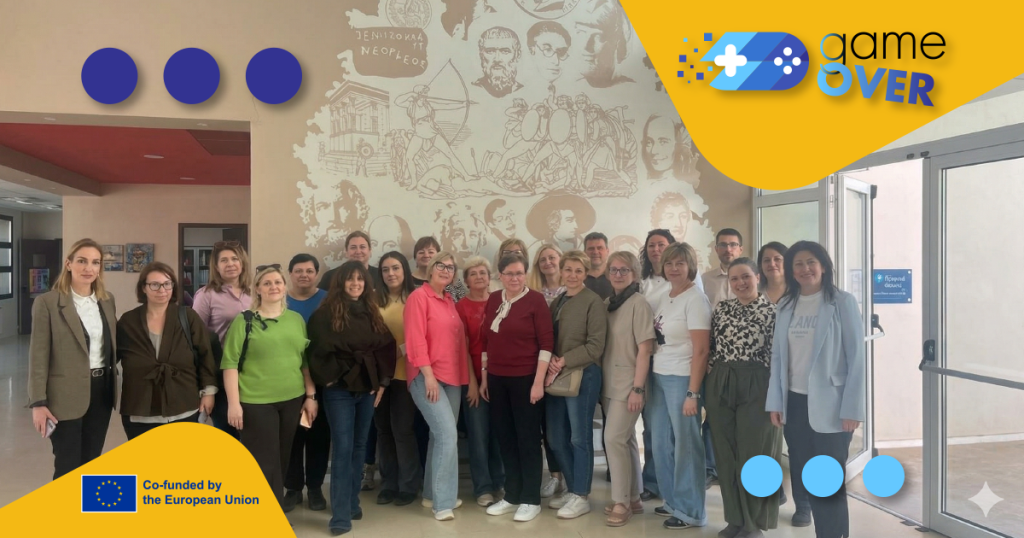
The Game Over project continues to make steady progress towards its goal of promoting a healthy use of video games among young people. On this occasion, the project team, together with teachers from the different partner countries, met in the Greek city of Nafpaktos to carry out a training event focused on knowledge exchange, joint reflection, and the practical […]
The Architecture of Addiction: How Videogames Are Built to Keep Players In
Ever felt like you had to log in just to finish a daily quest? Or felt that rush of adrenaline right before opening a crate, hoping for a “Legendary” skin? That’s not an accident. Modern games are masterpieces of engineering, but they aren’t just engineered for fun—they are engineered for retention, to keep you playing. Developers use specific “psychological […]
New Toolkits for Addressing Problematic Online Gaming
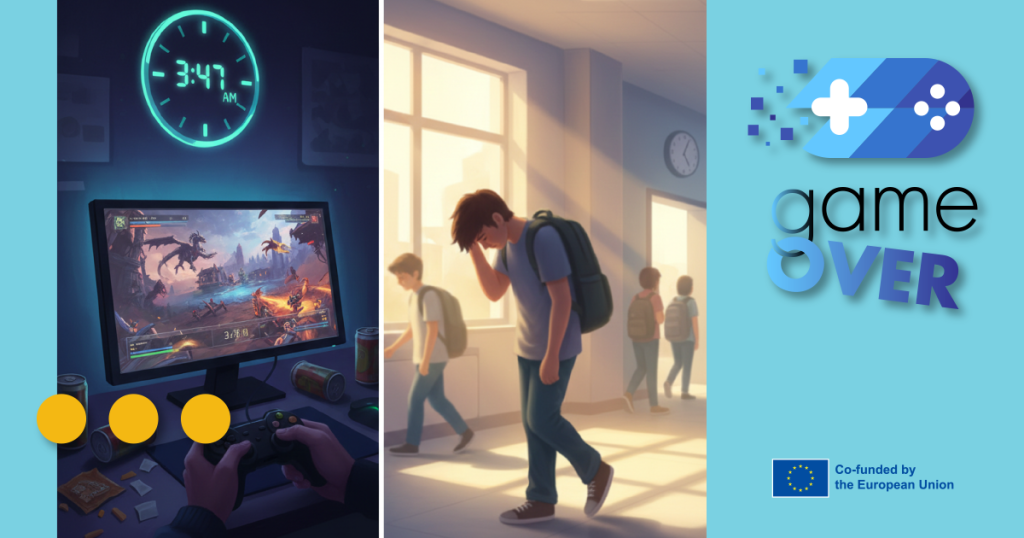
Developed under the Game Over Project As online gaming becomes central to young people’s lives, some students develop Problematic Online Gaming (POG)—a pattern marked by loss of control and continued play despite negative consequences for sleep, academic performance, and wellbeing. To respond to this growing concern, the Game Over Project developed a comprehensive set of […]
What’s New in GameOver? Discover Our Milestones and Next Steps

The second newsletter of the GameOver project has just been released, marking a full year of collaboration, tools development, and meaningful progress in tackling problematic online gaming in schools. In its pages, you’ll find an overview of key project milestones, including the second transnational meeting that took place in Sofia. Partners from Lithuania, Greece, Spain, […]
