
Moving forward together in preventing problematic video game use
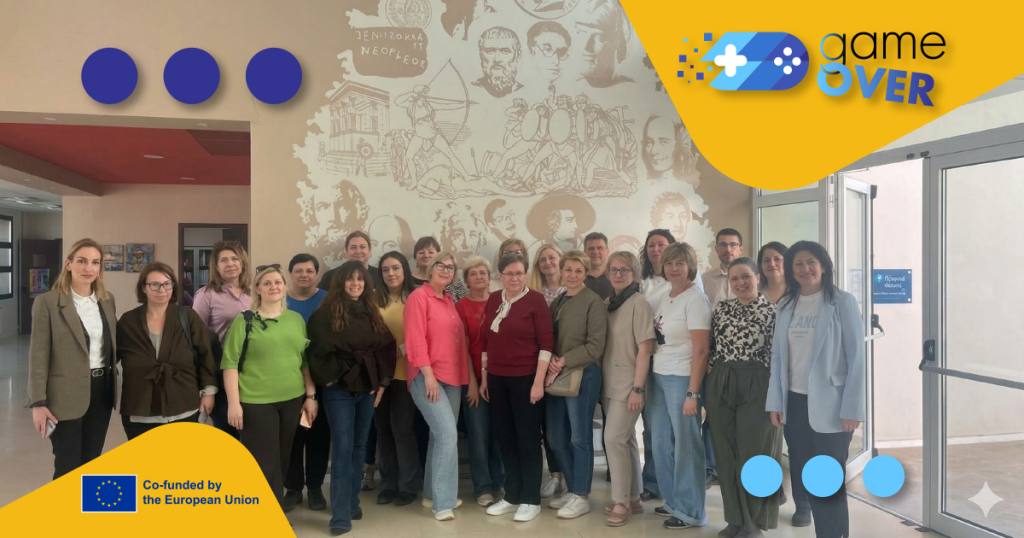
The Game Over project continues to make steady progress towards its goal of promoting a healthy use of video games among young people. On this occasion, the project team, together with teachers from the different partner countries, met in the Greek city of Nafpaktos to carry out a training event focused on knowledge exchange, joint reflection, and the practical […]
The Architecture of Addiction: How Videogames Are Built to Keep Players In
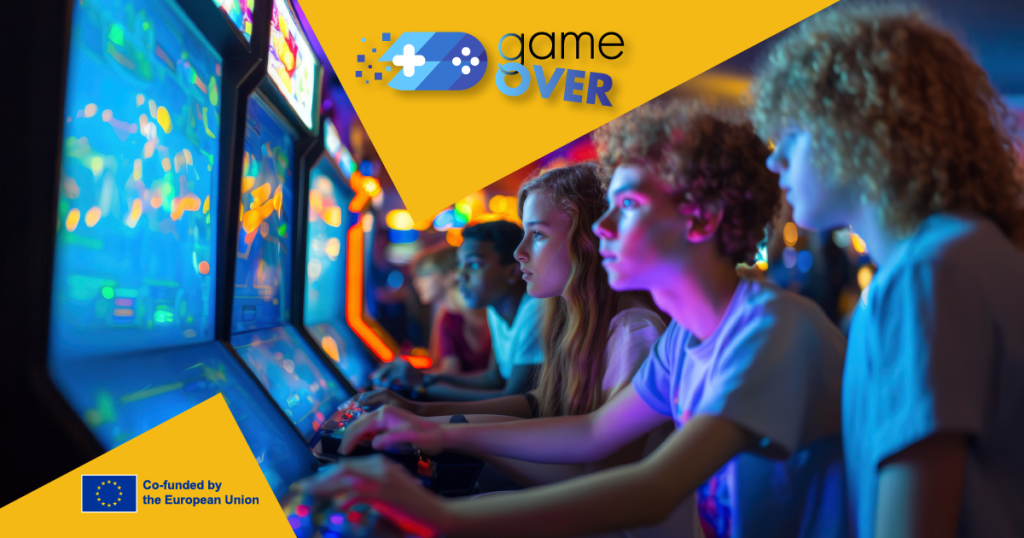
Ever felt like you had to log in just to finish a daily quest? Or felt that rush of adrenaline right before opening a crate, hoping for a «Legendary» skin? That’s not an accident. Modern games are masterpieces of engineering, but they aren’t just engineered for fun—they are engineered for retention, to keep you playing. Developers use specific «psychological […]
New Toolkits for Addressing Problematic Online Gaming
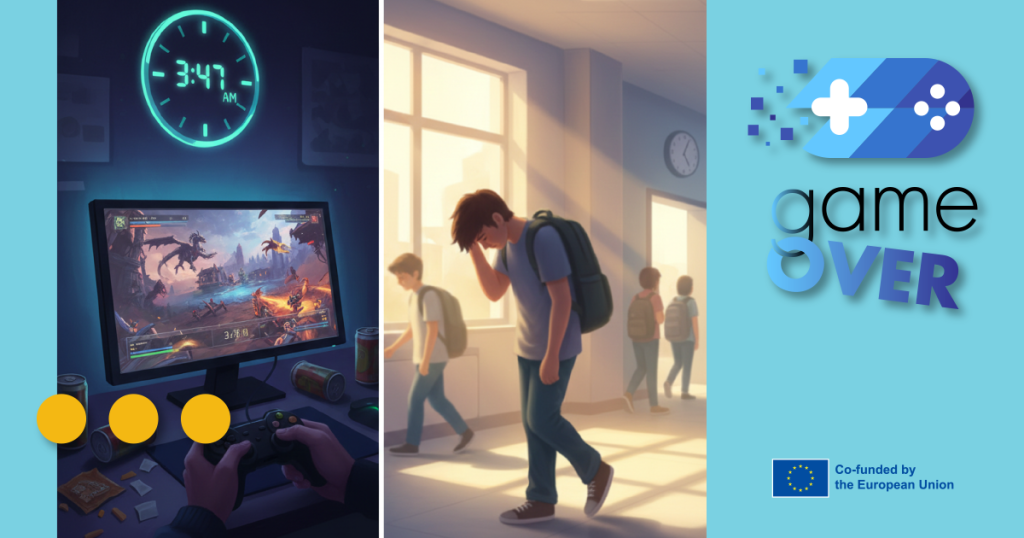
Developed under the Game Over Project As online gaming becomes central to young people’s lives, some students develop Problematic Online Gaming (POG)—a pattern marked by loss of control and continued play despite negative consequences for sleep, academic performance, and wellbeing. To respond to this growing concern, the Game Over Project developed a comprehensive set of […]
What’s New in GameOver? Discover Our Milestones and Next Steps

The second newsletter of the GameOver project has just been released, marking a full year of collaboration, tools development, and meaningful progress in tackling problematic online gaming in schools. In its pages, you’ll find an overview of key project milestones, including the second transnational meeting that took place in Sofia. Partners from Lithuania, Greece, Spain, […]
The Game Over project keeps growing at San Viator School

The Erasmus+ project Game Over continues to move forward at a steady pace, and its presence at San Viator School is becoming increasingly visible. Ahead of the transnational meeting held in Bulgaria, where all project partners came together to review the progress made so far and plan the next steps, the work at school level […]
The Cognitive Effects of Excessive Gaming

In today’s digital world, video games have become a central form of entertainment for many children. While moderate gaming can improve hand-eye coordination, problem-solving, and strategic thinking, excessive gaming—especially among school-aged children—can have unintended cognitive consequences. Studies have shown that spending too much time in virtual environments may impair attention span, reduce impulse control, and […]
GameOver Partners Meet in Sofia

On 15–16 October 2025, the GameOver consortium held its 2nd transnational project meeting in Sofia, Bulgaria. Hosted by the 149th School «Ivan Hadjiiski», the event brought together partner organisations from Lithuania, Greece, Spain, and Bulgaria to reflect on the project’s progress and shape the work ahead. The 2-day meeting offered a valuable opportunity to exchange […]
How Too Much Gaming Can Affect Physical Health

Excessive gaming doesn’t just affect school performance or social life — it can also have a negative impact on physical health. From muscle strain to vision problems and even sleep disruption, long hours of gaming may have lasting consequences if not balanced with healthy habits. Hands, arms, and joints under pressure Gamers often overuse […]
Switch Off Addiction, Power Up Life: Why Problem Online Gaming Deserves Our Attention Now

In today’s fast-paced digital world, gaming has become a central part of how young people connect, compete, and unwind. For many, it’s a fun hobby. But for others—especially children aged 12 to 16—it can turn into something much more serious: a silent, growing problem that impacts their education, relationships, and mental health. Welcome to the […]
Our First Newsletter Is Out – Catch Up with GameOver!

We’re excited to share with you the very first newsletter of the GameOver project—and it’s full of fresh updates, insights, and inspiration! This first edition gives readers a lively introduction to who we are, what we aim to do, and why it matters. You’ll get a quick look at our four-country partnership, discover the main […]
